Feast of Vultures: Nothing New
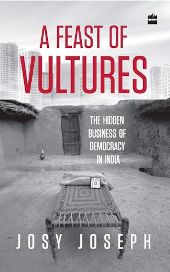
A Feast of Vultures: The Hidden Business of Democracy in India (2016)
by Josy Joseph
After reading some books, I’m driven to a simple question: What is the purpose of putting out such a book?
No one in India is under any illusion where corruption is concerned. Everyone knows that nothing in government gets done until palms are greased thoroughly.
Corruption is deeply embedded in the very soil of India. It’s like “forever chemicals” – Hard to to clean up once the deadly spill happens.
Anyone who’s born in India or lived in the country constantly frets about corruption but is karmically reconciled to it.
So many millions of our people are now givers and takers of bribes that corruption is now part of the Indian DNA.
At its root, the corruption problem in India is that far too many people are chasing too few resources/opportunities (jobs, access to healthcare, school or college admissions, government contracts, business permits, etc.) providing a fertile environment for corruption to thrive. Compounding the problem is the acute poverty, weak government institutions (that pay only lip service to rules and eradication of corruption) and low government salaries.
And therein lies the opportunities for middlemen who promise to smooth the way and help people or businesses gain access to scarce resources, jobs or lucrative contracts in exchange for a fee.
The crux of Josy Joseph’s book, A Feast of Vultures: The Hidden Business of Democracy in India, is that middlemen are everywhere in India and facilitate corruption.
Corruption is like Covid: highly contagious. A corrupt person infects so many others: When you see others take bribes without consequence and gallivanting off on vacations you too get tempted to extend your palm for a bribe. It’s also lead countless Indians to lose faith in the system.
Since no one gets punished for corruption in India, there’s no fear of being corrupt. So even if the party in power changes, nothing really changes at the implementation level. Several Indian political leaders and bureaucrats have amassed astonishing amounts of money through bribes.
When it comes to tackling corruption, CBI, the country’s premiere investigating agency, has a dismal record. Major corruption scandals like the Bofors gun deal remain unresolved decades after the news broke.
“In every corner of this country there is a middleman,” writes Joseph.
Do we need a 231-page book to say what’s so obvious to anyone who's set foot in India? Another vexing aspect of the book is that the writer is too lazy to include an index.
In one sense middlemen perform a useful task: they break through the bureaucratic red tape and enable a job to be completed instead of letting it languish in limbo. But this facet of middlemen remains unrecognized.
A Feast of Vultures offers nothing new to Indians but provides a good introduction to foreigners seeking to do business in India.